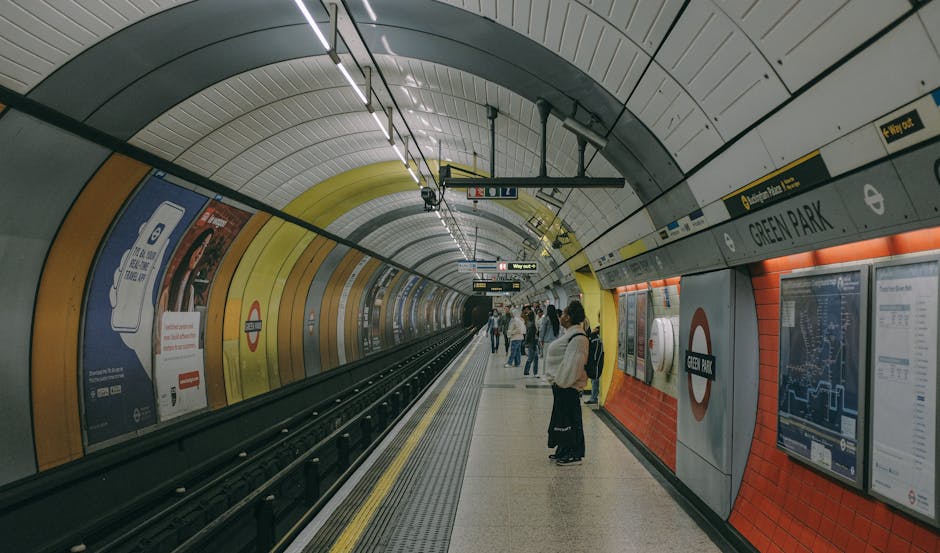
Bounds Green Tube Rubbish Collection Insider Tips for Commuters
If you commute through Bounds Green, you already know the rhythm: a quick walk to the station, a crowded platform, and that familiar race against the clock. What people often do not expect is how much rubbish collection can affect that routine. Missed bin days, awkward bulky items outside a flat, or a van blocking a narrow street can all turn an ordinary morning into a small headache. These Bounds Green tube rubbish collection insider tips for commuters are designed to help you stay organised, reduce stress, and choose the right waste solution without wasting time.
Whether you are clearing out a flat near the station, dealing with a last-minute household reset, or trying to make sure a building job does not spill into the school-run-and-commute chaos, the basics are the same: plan early, sort properly, and match the service to the waste. Sounds simple enough, but in real life it is easy to get caught out. This guide walks through the practical side of it all, with local awareness, realistic examples, and a few insider habits that make a proper difference.
Table of Contents
- Why it matters around Bounds Green
- How collection and disposal work
- Key benefits and practical advantages
- Who this is for and when it makes sense
- Step-by-step guidance
- Expert tips for better results
- Common mistakes to avoid
- Tools, resources and recommendations
- Law, compliance and best practice
- Options and comparison table
- Case study or real-world example
- Practical checklist
- Conclusion
- Frequently asked questions
Why Bounds Green Tube Rubbish Collection Insider Tips for Commuters Matters
Bounds Green sits in that very London sweet spot where people are always moving. Morning commuters, evening commuters, parents with buggies, delivery drivers, tradespeople, students - everyone seems to be on a schedule. That means rubbish collection is not just about "getting rid of stuff." It is about timing, access, and keeping life moving.
If you live or work near the station, a poorly planned clearance can create knock-on problems. Bags left out too early can attract attention, bulky waste can obstruct a shared entrance, and a badly timed collection can clash with rush-hour footfall. For commuters, that matters because every delay is felt twice: once on the pavement and once in your head before you have even reached the platform.
The insider part is this: most waste jobs go better when you think like a commuter. Keep the route clear. Minimise waiting. Prepare items the night before. Choose a collection method that fits the street, not just the pile of waste. Little things, but they save time. And, frankly, they save a lot of grumbling.
Expert takeaway: In a busy area like Bounds Green, the best rubbish collection plan is the one that protects access, avoids peak-time disruption, and matches the size and type of waste to the right service first time.
How Bounds Green Tube Rubbish Collection Insider Tips for Commuters Works
Most rubbish collection in this part of London follows a simple pattern: you identify the waste, choose a disposal method, agree access and timing, and then the waste is collected or taken away. The challenge is not the process itself. It is the logistics around it.
For small domestic jobs, rubbish removal is often the fastest route because the team loads the waste for you. For larger or ongoing projects, skip hire may be a better fit, especially if the waste builds up over several days. If access is tight or there is no easy place to leave a skip, wait and load skip hire can be a smart commuter-friendly option because the vehicle arrives, you load quickly, and it goes. No long roadside sitting around. Nice and tidy, which is what everyone wants on a weekday morning.
There is also a practical difference between general rubbish, bulky household waste, and specialist items. Some materials need separate handling. If you are unsure what can go where, it is worth checking what can go in a skip before you book anything. That one page can spare you from a surprising amount of faff.
For commuters, the real "how it works" question is usually this: how do I get the waste gone without disrupting the day? The answer depends on the waste volume, the street layout, and whether you need speed, flexibility, or full load handling. If it is urgent, same-day skip hire can help in some situations, though availability is always worth checking early in the day.
Key Benefits and Practical Advantages
A good rubbish collection plan near Bounds Green is not just convenient. It can genuinely improve the way your week runs. The benefits are more practical than flashy, but that is kind of the point.
- Less disruption to your commute: when waste is cleared efficiently, you are not squeezing past boxes, broken furniture, or old bags on your way out.
- Better use of limited space: many flats and maisonettes near transport links do not have much storage. Quick clearance matters.
- Reduced stress for shared properties: a tidy entrance or front path keeps neighbours happier, which is never a bad thing.
- Safer access: clear walkways help reduce trip hazards for residents, visitors, and collection crews.
- Smarter cost control: choosing the right service first time is usually cheaper than paying for multiple trips or last-minute fixes.
There is also a quiet advantage that people overlook: confidence. When the waste is handled properly, you stop thinking about it. That mental relief counts, especially if you are already dealing with work, travel, and family logistics. You feel it most on a damp Monday at 7:40 a.m. when you are carrying coffee, keys, and a gym bag that is somehow heavier than it should be.
For businesses near the station, the same logic applies at a larger scale. Services like commercial skip hire and office clearance can keep operations smooth when you are clearing desks, packaging, or old fixtures without interfering with opening hours.
Who This Is For and When It Makes Sense
This topic is most relevant if you are one of the following:
- a commuter living near Bounds Green station who wants waste collected before or after the school and rush-hour peaks;
- a tenant or homeowner handling a clear-out in a flat with limited storage;
- a landlord preparing a property between lets;
- a tradesperson or small contractor needing predictable waste handling in a tight street;
- a local business that cannot afford clutter around entrances or loading bays;
- someone with bulky items that do not suit standard household bins.
It also makes sense when you are dealing with waste that has a deadline attached to it. Maybe visitors are coming. Maybe your lease ends next week. Maybe the hallway has become a staging area for boxes and you are starting to side-eye them every time you leave the flat. Been there, honestly.
If your situation is larger or more awkward than a normal bin collection, options such as man and van, grab hire services, or rubbish removal may be more suitable than waiting for a standard collection day. If you are clearing a home from top to bottom, house clearance or garage and loft clearance can be far more efficient.
Step-by-Step Guidance
If you want the process to go smoothly, use this approach. It is simple, but it works.
- Sort the waste first. Separate general rubbish, recyclables, bulky items, and anything that may need specialist handling. Do not leave it to the day of collection. That is when the panic sorting starts.
- Measure the amount. A few bags and a chair are very different from a full room clear-out. Estimate honestly. People nearly always underestimate by just a little, which is why "just one more trip" happens.
- Check access. Can a vehicle stop safely? Is there a tight turning point? Is there a lift involved? Is the front path shared? These details shape the right service choice.
- Choose the service type. For quick removal, use rubbish removal or man and van. For larger, ongoing loads, compare skip sizes and prices. For a no-wait scenario, consider wait and load.
- Confirm restrictions. Certain items require special treatment. This is especially relevant for fridges, mattresses, sofas, and anything hazardous.
- Book around your commute. If possible, schedule collection outside peak travel windows. Early morning before the platform gets busy, or late morning once the rush has eased, is often simpler.
- Prepare the load in advance. Bags tied, loose items grouped, bulky pieces ready to lift. The smoother the handover, the faster the job.
- Keep a clear route. Make sure the collection point is easy to reach from the vehicle. That one missing detail can slow things down more than you would expect.
If the waste is heavy, mixed, or awkward, you may need something more specialised such as fridge and appliance removal or mattress and sofa disposal. For certain renovation jobs, builders skip hire or construction waste disposal is usually the cleaner route.
Expert Tips for Better Results
Here is where the commuter angle really matters. A few field-tested habits can make rubbish collection feel almost effortless.
- Book before your week gets crowded. If you know you will be out three mornings in a row, do not leave collection planning until the last one.
- Use time windows strategically. A collection at 9:30 is usually calmer than one at 8:15 in a station area. Not always, but often enough.
- Keep communal areas clear. In shared buildings, a tidy stairwell and landing prevent complaints and reduce friction with neighbours.
- Choose the smallest viable method. A skip is great when you need one, but it is not always the neatest choice for tight access or a short job.
- Ask about same-day options if your timetable is tight. A delayed collection can become a real problem when you are travelling for work or returning late.
- Separate specialist items early. Do not mix hazardous waste with general rubbish. It slows everything down and may mean the collection cannot proceed.
And this may sound obvious, but it is worth saying: if the waste is in a rear garden, basement, or awkward top-floor flat, tell the provider. Surprise access problems are the easiest way to turn a half-hour job into a whole afternoon. Nobody enjoys that. Not the customer, not the crew, not the neighbour who needs to get out with shopping.
For more complex projects, services like site clearance, construction waste clearance, or demolition waste removal can prevent waste from piling up in stages.
Common Mistakes to Avoid
Most rubbish collection problems near transport hubs are surprisingly predictable. The good news is that they are avoidable.
- Leaving waste too late: if collection is tied to your commute, a last-minute pile-up is a recipe for stress.
- Ignoring access restrictions: narrow roads, loading limits, and shared entrances all matter.
- Mixing incompatible waste: one unsuitable item can disrupt an otherwise straightforward load.
- Choosing a service by price alone: the cheapest option is not always the best fit for tight urban access.
- Forgetting permit needs: if a skip has to be placed on public land, check permit requirements in advance.
- Underestimating volume: a small room clear-out can become much larger once you start lifting things.
The permit point is worth slowing down for. If you are considering a roadside skip, make sure you understand the situation before booking. The relevant pages on skip hire permits and skip permits can help frame the basics, but it is always better to confirm the setup before the waste arrives than after.
A quick reality check helps here too: if your waste is time-sensitive, bulky, and you need your pavement clear by lunchtime, a collection method that needs lots of parking space may not be the right call. Common sense beats guesswork every time.
Tools, Resources and Recommendations
You do not need a complicated toolkit for this. You need a few sensible resources and the willingness to plan ahead.
| Option | Best for | Why commuters like it | Watch out for |
|---|---|---|---|
| Rubbish removal | Mixed household waste, quick clear-outs | Fast, minimal planning, often easier in tight streets | Needs clear access and good load preparation |
| Skip hire | Ongoing or larger projects | Good when you can fill waste gradually | May need space and possibly a permit |
| Wait and load | Short jobs with no storage space | No skip left behind, quick turnaround | You need to load efficiently while the vehicle waits |
| Man and van | Bulky items or smaller loads | Flexible and often practical for flats | Less suitable for heavy building waste in large volume |
| Grab hire | Heavy or loose material | Useful where waste is piled in one place | Needs vehicle access and enough space to operate |
For household decision-making, domestic skip hire is a sensible reference point, while skip sizes and prices is helpful when you are trying to match load size to budget. If you are comparing collection methods, pricing and quotes is the sort of page worth checking early, not after you have already filled three bin bags and a chair.
For responsible disposal and a cleaner end result, waste recycling services and recycling and sustainability are useful reminders that not everything should be treated as ordinary rubbish. Good waste handling is part practical, part ethical. A bit boring maybe, but important.
Law, Compliance and Best Practice
Waste collection in the UK is not something to improvise. You do not need to become a legal expert, but you do need to follow sensible and lawful practice.
The safest approach is to separate ordinary waste from anything potentially hazardous, avoid blocking public access, and use a provider that handles waste in line with UK expectations for transport, handling, and disposal. If you are unsure about a material, do not assume it can go with the rest. That is especially true for anything that might be classed as hazardous, such as certain chemicals, paints, or contaminated items. Use hazardous waste disposal for those situations rather than mixing them into general rubbish.
It also helps to think about neighbour relations and shared space best practice. In flat blocks, keep communal corridors clear. In terraced streets, avoid leaving waste in a way that reduces visibility or access. If a collection involves a skip on a public road, check permit expectations in advance. That is basic, but people still get caught out by it.
For businesses and offices, compliance also means being careful with confidential material and electrical items. Confidential shredding and specialist appliance disposal can reduce risk and keep your disposal process more professional. Nothing dramatic, just the right way to do it.
Options, Methods, or Comparison Table
Choosing the right waste method is usually the difference between a smooth day and a slightly chaotic one. Here is a practical comparison for commuters around Bounds Green.
| Method | Pros | Cons | Ideal scenario |
|---|---|---|---|
| Rubbish removal | Quick, labour-saving, flexible | May cost more than self-loading in some cases | Flat clear-outs, mixed household waste, time-poor commuters |
| Skip hire | Good capacity, flexible loading period | Needs space and may involve permits | DIY projects, renovations, staged clear-outs |
| Wait and load | No long placement on the street, efficient | Requires fast loading and a clear plan | Restricted access, no spare parking, short-term jobs |
| Man and van | Flexible, handy for bulky items | Less efficient for large construction waste | Small to medium loads, awkward furniture, mixed household items |
| Grab hire | Efficient for heavy loose waste | Needs access and enough space for the vehicle | Heavy rubble, garden spoil, builders' waste |
The main decision point is not "what is cheapest?" It is "what matches my access, timing, and waste type?" That one question tends to lead to better results.
Case Study or Real-World Example
A common Bounds Green scenario goes like this. A commuter in a first-floor flat needs to clear a mix of old wardrobe panels, a broken desk chair, and a few bags of general clutter before a weekend away. They leave at 7:30 a.m., get home after 6:00 p.m., and do not have much storage or parking outside.
If they tried to solve it with a standard bin-by-bin approach, the waste would sit in the hallway for days. Not ideal. If they booked a large skip without checking access, they might face parking issues or an awkward placement that annoys the whole street. In this kind of setup, a smaller, flexible solution such as man and van or rubbish removal often makes more sense.
What worked best in this sort of real-world case was simple preparation: items grouped the night before, boxes flattened, fragile bits separated, and the collection timed just after the morning rush. The hallway stayed clear, the neighbours were not inconvenienced, and the job was done before the weekend started. A very ordinary win, but an important one.
For a larger version of the same story - maybe moving out, clearing a loft, or handling renovation debris - services like house clearance, garage and loft clearance, or builders waste removal become much more appropriate.
Practical Checklist
Use this checklist before you book or schedule collection.
- Sort waste into general, bulky, recyclable, and specialist items.
- Measure or estimate the amount honestly.
- Check whether access is tight, shared, or time-limited.
- Decide between rubbish removal, skip hire, wait and load, man and van, or grab hire.
- Confirm whether any item needs special handling.
- Check if a permit may be needed for roadside placement.
- Clear the route from the property to the collection point.
- Choose a time that avoids your own commute rush where possible.
- Keep neighbours informed if shared access is involved.
- Prepare everything so the crew can work without delay.
That is the whole game, really. Good prep, sensible timing, no surprises.
Conclusion
Getting rubbish collected near Bounds Green does not need to be complicated, but it does need to be planned with commuter life in mind. The closer you are to a station, the more important timing, access, and the right disposal method become. The best results usually come from a calm, practical approach: sort early, choose the right service, and make sure the collection fits the street as well as the waste.
If you remember just one thing from these Bounds Green tube rubbish collection insider tips for commuters, let it be this: the smoothest collection is the one that disappears from your day without creating another problem. That is the goal. Simple enough to say, sometimes a little trickier to do, but absolutely achievable with the right plan.
Get a free quote today and see how much you can save.
And once it is all cleared, you get that lovely small relief of walking out the door without the clutter staring back at you. Honestly, that feels better than it should.
Frequently Asked Questions
What is the best rubbish collection option for commuters near Bounds Green?
It depends on your access and the amount of waste. For small to medium mixed loads, rubbish removal or man and van is often simplest. For larger or staged jobs, skip hire may be better. If parking is tight, wait and load can be very efficient.
How do I avoid rubbish collection disrupting my commute?
Choose a time outside the busiest travel window if you can, prepare the waste the night before, and keep the collection route clear. The less you have to do on the day, the easier your morning becomes.
Do I need a permit for a skip in Bounds Green?
If the skip is placed on a public road or other public land, a permit may be needed. The exact requirement depends on location and setup, so it is worth checking before booking rather than afterwards.
What items should not go into general rubbish collection?
Hazardous materials, some electrical items, and certain specialist waste streams should not be mixed with ordinary rubbish. If you are unsure, separate the item and check the appropriate disposal route first.
Is wait and load useful for people who live near the tube station?
Yes, often very useful. It suits people with limited space or those who want the waste gone quickly without leaving a skip outside for hours or days.
What if I only have a few bulky items like a sofa or mattress?
Specialist bulky item services can be a better fit than general waste options. Mattress and sofa disposal, or man and van removal, usually works well for that kind of job.
How far in advance should I book rubbish collection?
If the job is small and flexible, a short lead time may be enough. If you need a specific time around work, commuting, or access restrictions, booking earlier is safer.
Can rubbish collection help with office clear-outs too?
Yes. Office clearance is a good option for desks, paperwork, packaging, and general workspace clutter. If sensitive documents are involved, confidential shredding is worth considering separately.
What is the difference between skip hire and rubbish removal?
Skip hire gives you a container for loading over time, which is handy for bigger or ongoing jobs. Rubbish removal means the team loads and takes the waste away, which is often easier for busy commuters and smaller spaces.
What should I do if access outside my property is very narrow?
Tell the provider before booking. Narrow streets, gated access, stairwells, and shared entrances can all affect the best method. In tight spaces, a flexible removal option is often better than a fixed placement solution.
Are there services for building or renovation waste near Bounds Green?
Yes. Builders skip hire, construction waste disposal, construction waste clearance, and demolition waste removal are designed for heavier project waste. They are usually more suitable than general household options.
How can I make sure my rubbish is handled responsibly?
Use a provider that offers proper waste recycling services and follow best practice by separating waste types in advance. If an item is hazardous or specialist, keep it out of the general load.