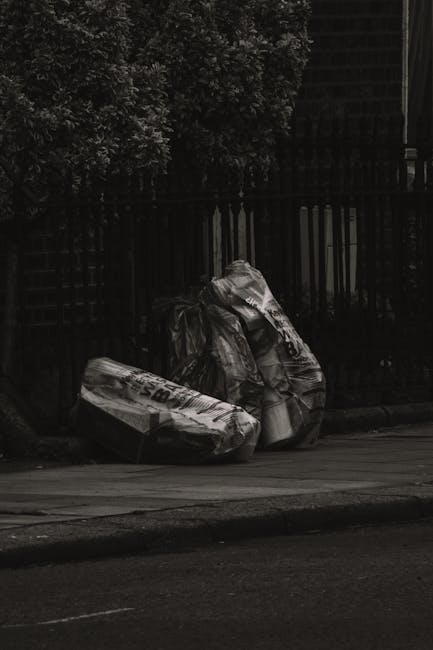
Rubbish removal on Brownlow Road Bounds Green what to know
If you live, work, or are clearing a property on Brownlow Road in Bounds Green, rubbish removal can feel straightforward at first glance. Then the reality kicks in: bulky items, awkward access, sorting what can be reused, and figuring out whether a skip, a grab lorry, or a man-and-van service is the best fit. That is exactly why this guide exists. It walks through rubbish removal on Brownlow Road Bounds Green what to know in plain English, with practical advice that helps you plan properly, avoid costly mistakes, and choose the right waste solution for your situation.
Whether you are tackling a loft clear-out, a small renovation, garden waste, office rubbish, or a full house clearance, the basics are the same: know your waste type, check access, understand what cannot go in general waste, and choose a service that is suitable for the street, the load, and the timing. Brownlow Road has the usual North London mix of homes, shared access points, parking pressures, and busy day-to-day life, so a little planning goes a long way.
Practical takeaway: the best rubbish removal job is usually the one that is planned before anything is lifted. That sounds obvious, but in real life it saves time, stress, and often money too.
Why Rubbish removal on Brownlow Road Bounds Green what to know Matters
Brownlow Road sits in a part of Bounds Green where space tends to be precious. That changes the whole rubbish-removal conversation. A pile of waste that looks manageable on a drive or in a front garden can quickly become awkward on a terraced street, especially if there is limited parking, narrow frontage, or shared access. You do not want waste sat outside for longer than needed, and you definitely do not want a plan that blocks neighbours, bins, or foot traffic. Let's face it, nobody enjoys becoming "the house with the rubble pile" for the weekend.
Understanding the options matters because waste removal is not one-size-fits-all. A small domestic clear-out may be ideal for a man and van collection, while a builder generating heavier materials may need builders skip hire or grab hire services. Garden waste, fridges, mattresses, confidential paperwork, and mixed household junk each need slightly different handling. If you treat them all the same, things get messy fast.
There is also a real trust issue here. Good rubbish removal is not just about taking things away. It is about doing it responsibly, sorting waste properly, and keeping you on the right side of good practice. If you have ever stood in a front room thinking, "Where on earth do I even start?", you will know why clarity matters.
How Rubbish removal on Brownlow Road Bounds Green what to know Works
In simple terms, rubbish removal means a team collects waste from your property and transports it away for sorting, reuse, recycling, or disposal. That can happen in several ways, depending on the volume and the type of rubbish. Sometimes the team loads everything straight into a vehicle. Sometimes waste is placed into a skip. Sometimes a grab lorry is better for heavy or bulky material. And sometimes a short wait-and-load arrangement works brilliantly when access is tight.
If you are comparing options, it helps to think in terms of what you are getting rid of, how much there is, and how easy it is to access. A few bin bags and an old wardrobe are one thing. A full bathroom rip-out, broken timber, plasterboard, and mixed rubble are another. On Brownlow Road, where kerbside space can be limited, access often decides the method more than the volume does.
A typical rubbish removal process looks like this:
- You identify the waste type and approximate amount.
- You decide whether you need same-day collection, timed removal, or a planned booking.
- You check whether anything requires special handling, such as appliances or hazardous items.
- You choose a method: collection, skip hire, grab hire, or wait-and-load.
- The waste is removed, sorted, and sent for appropriate processing.
If you need to understand what can and cannot go into a skip, the guide on what can go in a skip is a useful starting point. It is one of those pages that saves awkward surprises on collection day. And awkward surprises, to be fair, are nobody's favourite thing before lunch.
Key Benefits and Practical Advantages
The biggest benefit is obvious: you get your space back. A cluttered hallway, spare room, garage, or garden can feel heavier than it looks. When it is gone, the whole property feels different. Cleaner. Calmer. Easier to use. That change is often immediate.
There are other practical advantages too:
- Less physical strain: large, awkward, or heavy items are moved safely by people used to doing the job.
- Better time management: a proper collection can be far faster than multiple DIY trips to a waste site.
- Cleaner site conditions: especially useful during renovations, clearances, and garden work.
- More reliable sorting: waste can be separated more sensibly for recycling or proper disposal.
- Reduced hassle: no need to hire a van, load it yourself, queue, unload, and repeat.
For many households, the right choice is not the biggest option but the least disruptive one. A family on Brownlow Road clearing a bedroom after a move may value speed and convenience more than anything else. A landlord preparing a property between tenancies may want a method that removes mixed rubbish quickly and leaves the place ready for cleaners. A small contractor, meanwhile, may care most about access, speed, and whether the waste can be handled without stopping the job.
If you are comparing disposal methods, it may also help to review skip sizes and prices and pricing and quotes. Those pages can help you weigh convenience against budget before you commit.
Who This Is For and When It Makes Sense
Rubbish removal on Brownlow Road makes sense for a surprisingly wide range of people. It is not just for big building projects or end-of-tenancy clearances. In fact, many of the most common jobs are smaller and more ordinary than that.
It is a good fit if you are:
- clearing out a flat, house, loft, garage, or shed
- disposing of old furniture, boxes, bags, and general clutter
- removing post-renovation debris from a kitchen, bathroom, or bedroom refit
- getting rid of garden waste after a tidy-up or seasonal cut-back
- managing mixed waste from a small business, shop, or office
- dealing with bulky items that are difficult to move alone
It may also make sense if your access is awkward. Brownlow Road properties may not always offer easy off-street storage for a skip, and not every household wants waste sitting outside for a full hire period. In those cases, a wait and load skip hire arrangement or a direct collection can be more practical. You get the benefit of a bigger load capacity without leaving a container on the road all day.
Some people are best served by specialist services. If you are clearing a garage or loft, you may find garage and loft clearance more suitable. For bigger property resets, house clearance or even site clearance may be more appropriate. There is no prize for using the wrong service just because it sounded simpler on the day.
Step-by-Step Guidance
If you want to get rubbish removed smoothly on Brownlow Road, a small amount of preparation helps a lot. Here is a practical step-by-step approach that works in real life, not just on paper.
1. Sort the waste first
Separate general household rubbish, recyclable material, green waste, heavy rubble, furniture, and anything potentially restricted. Do not wait until collection day to do this. You will feel the pressure then, and the bags somehow multiply when you are tired.
2. Identify awkward or specialist items
Appliances, mattresses, sofas, fridges, confidential papers, and anything that may contain oils, chemicals, or other unsafe material should be considered separately. For example, if you have white goods to dispose of, fridge and appliance removal is usually the safer route. If you have a mattress or sofa that has simply reached the end of its life, mattress and sofa disposal can save a lot of uncertainty.
3. Check access and parking
Ask yourself: can a vehicle stop safely? Is there room for loading? Will neighbours need access? If a skip is being considered, think carefully about whether it can go on private land or whether a permit may be needed. If you are unsure, read more about skip hire permits and skip permits.
4. Choose the most sensible method
There is no universal "best". A small domestic load may suit domestic skip hire. A heavier builder's load may need construction waste disposal or builders waste removal. A time-sensitive office clear-out may be better served by office clearance. Slightly annoying answer, perhaps, but the right one.
5. Confirm timing and collection details
Agree what is being removed, what is not, how long access will take, and whether items need to be placed in a particular spot. If you need speed, check whether same day skip hire is available, or whether a quicker service like rubbish removal itself is the better fit.
6. Make sure the waste is ready
Keep paths clear, protect floors if needed, and move children, pets, and parked cars out of the way. A ten-minute tidy-up before the crew arrives often saves twenty minutes of faffing about later.
Expert Tips for Better Results
Here are the habits that tend to make the biggest difference.
- Estimate in layers, not guesses. One large item can hide a surprising amount of smaller waste behind it.
- Keep recyclable material separate where possible. Cleaner sorting is usually better for recycling outcomes.
- Bundle lightweight rubbish efficiently. Loose bags waste space quickly.
- Check door widths and stair turns. This matters more than people think in older properties.
- Use a lockable option if security is a concern. An enclosed and lockable skip hire option can be reassuring if waste will be left accessible for any period.
- Think about loading speed. If the job is all about rapid turnaround, grab lorry hire can be much more efficient for the right type of waste.
One small but useful habit: photograph the waste before you book. Not because anyone wants a gallery of old chipboard and broken chairs on their phone, but because photos make quoting and planning easier. A good provider can often spot access issues or mismatched waste types immediately.
And do not ignore the recycling side. If a service gives you clear information about recycling and sustainability, that is usually a sign they think beyond the quick uplift. That matters. It really does.
Common Mistakes to Avoid
Most rubbish-removal problems come from rushing. Usually not bad intentions, just haste. Here are the mistakes we see most often.
- Choosing the wrong removal method. A skip is not always best, and a collection is not always enough.
- Underestimating how much waste there is. Bags, boards, and broken fittings pile up quickly.
- Mixing restricted items with general waste. This can delay the job and create disposal problems.
- Forgetting about access. A service that works on paper may fail on a street with tight parking or narrow entry.
- Leaving everything to the last minute. Especially during a move, a refit, or end-of-tenancy clear-out.
- Assuming all waste can go together. It cannot, and it should not.
One classic example: someone books a container for a renovation, then discovers they have a fridge, old paint tins, and bagged waste hidden in the corner. Suddenly the job is no longer simple. A little sorting up front avoids that headache.
If you are dealing with a larger or more mixed load, it may be worth comparing man and van with other collection methods. It is often the difference between a neat, quick clear-out and a long Saturday that disappears into the back of a hired van. Been there, done that, would rather not repeat it.
Tools, Resources and Recommendations
You do not need specialist equipment for a normal waste clear-out, but a few basics help a lot. Strong bags, gloves, tape, a torch for lofts or sheds, and a tape measure for access points are all genuinely useful. If you are clearing a room, a set of labelled boxes can stop things getting mixed up again halfway through.
For planning, these pages are especially useful:
- skip sizes and prices for choosing the right capacity
- what can go in a skip for item-by-item guidance
- pricing and quotes for understanding how costs are discussed
- book online if you want a simple next step
For specialist jobs, use the service that actually matches the waste:
- garden waste removal for branches, soil, hedge trimmings, and green waste
- garage and loft clearance for stored clutter and mixed household items
- confidential shredding for paperwork that should not go in mixed rubbish
- hazardous waste disposal for items that need special care
If the waste is commercial or project-based, the following may be a better match than ordinary removal: commercial skip hire, builders skip hire, or construction waste clearance. Again, the point is to match the tool to the job. Not the other way around.
Law, Compliance, Standards, or Best Practice
Waste removal in the UK should be handled carefully, and the practical standard is simple: waste must be carried, sorted, and disposed of responsibly. You do not need to become a legal expert to arrange a collection, but you should be aware that some items require special handling and that duty of care matters. In plain terms, if you produce waste, you should make sure it goes to someone who can manage it properly.
That is especially important for mixed waste, construction materials, electrical items, and anything that could be hazardous. A reputable provider should be able to explain how the load is handled and whether recycling is part of the process. If the route is unclear, ask. A good operator will not mind. In fact, they should welcome the question.
Permit issues are another common area where people get tripped up. If a skip needs to go on the public highway, the right permission may be required. That is not something to guess at or hope will be fine by morning. If your setup may need it, check the relevant pages on skip hire permits and skip permits before booking.
There is also a straightforward safety angle. Heavy lifting, sharp edges, unstable stacks, glass, plasterboard dust, and awkward appliances all create avoidable risk. Services that follow published health and safety policy and insurance and safety standards are worth your attention. No one gets excited about policy pages, granted, but they do tell you something important about how the work is run.
Options, Methods, or Comparison Table
Choosing the right rubbish-removal method is usually the difference between an easy day and a frustrating one. This table gives a simple comparison for Brownlow Road and similar Bounds Green streets.
| Method | Best for | Strengths | Watch-outs |
|---|---|---|---|
| Rubbish removal collection | Mixed household waste, bulky items, quick clear-outs | Convenient, fast, minimal disruption | May be less suitable for very heavy rubble or large project waste |
| Skip hire | Ongoing clear-outs, renovation debris, larger volumes | Flexible loading over time, good for staged projects | May require a permit, needs space |
| Grab hire | Heavy waste, soil, rubble, larger pile loads | Very efficient for bulky heavy materials | Needs vehicle access and suitable loading space |
| Wait-and-load | Tight access, streets with parking pressure, fast turnaround | No skip left on the road, useful in busy areas | Waste must be ready when the vehicle arrives |
For many Brownlow Road jobs, the winner is simply the method that causes the least disruption. That sounds almost too simple, but it is usually true.
Case Study or Real-World Example
Picture a typical Saturday morning. A family in Bounds Green has finally decided to clear the spare room that has become a storage zone for an old desk, a broken chest of drawers, two armchairs, flattened boxes, and a pile of odds and ends from years of "we might need that later". You know the room. Every house has one, or nearly.
At first, they think a few car loads might do it. But after sorting the room into keep, donate, recycle, and remove, the waste pile grows larger than expected. The furniture is awkward, there is no real space for a skip, and they would rather not have a container sitting outside the property for days. A direct collection turns out to be the most sensible option, because it removes everything in one go and leaves the room usable again before the weekend is over.
The family also discovers a few specialist items: one old appliance, a stack of confidential paperwork, and a mattress that has had its day. Rather than trying to force everything into one generic pile, they separate those items and arrange the most suitable disposal route for each. That small bit of planning saves time and stress. The room is cleared, the hallway is no longer crowded, and the house feels lighter. Simple as that.
That is the reality of rubbish removal on Brownlow Road and similar streets: the right method depends on access, volume, and waste type. Not on guesswork.
Practical Checklist
Before you book, run through this checklist. It is quick, but it catches most problems early.
- Have I sorted general waste from recyclable or specialist items?
- Do I know roughly how much needs removing?
- Are there bulky items such as sofas, fridges, or mattresses?
- Could the collection vehicle or skip access be awkward on Brownlow Road?
- Do I need a permit if anything goes on the public road?
- Am I dealing with construction, garden, domestic, or commercial waste?
- Do I need same-day or timed removal?
- Have I checked whether any items are restricted or hazardous?
- Have I compared the right service options rather than just the cheapest one?
- Is the waste ready to load when the team arrives?
If you can tick most of those off, you are already ahead of the game. Really ahead.
Conclusion
Rubbish removal on Brownlow Road in Bounds Green is easiest when you match the service to the waste, plan for access, and avoid the common mistakes that make a simple job feel harder than it should. Whether you need a quick household collection, a renovation clear-up, or a more specialist disposal option, the right approach will depend on what you are throwing away and how the street works in practice.
Think carefully about space, timing, and waste type. Use the right service for the right load. And if in doubt, ask early rather than trying to improvise on the day. That small bit of forethought usually pays off, especially in a busy London setting where parking, neighbours, and access can all matter at once.
If you are comparing options now, take a minute to review the service pages that fit your job, check the waste rules, and plan the collection properly. It is one of those tasks that feels much bigger before you start than after it is done. Then, quite suddenly, the space is yours again.
Get a free quote today and see how much you can save.
Frequently Asked Questions
What is the best rubbish removal option for Brownlow Road in Bounds Green?
The best option depends on the type and amount of waste, plus how much access you have. For mixed household rubbish, a direct collection or man and van service can be ideal. For heavier or larger project waste, skip hire or grab hire may be more practical.
Do I need a permit for a skip on Brownlow Road?
If the skip is going on the public highway, a permit may be required. If it can stay entirely on private property, you may not need one. It is best to check this early rather than assume the arrangement will be fine.
Can I put old furniture and mattresses in with general rubbish?
Sometimes yes, but it depends on the service and the type of load. Sofas and mattresses are often better handled through dedicated disposal services, especially if you want a smooth collection and fewer surprises.
Is same-day rubbish removal available in Bounds Green?
It can be, depending on availability and the type of waste. Same-day options are often useful when a move, clear-out, or renovation throws up more rubbish than planned.
What should I do with fridges and appliances?
Do not just leave them with mixed household rubbish unless you have confirmed they are accepted. Appliance removal is often the safer and cleaner route, especially for fridges, freezers, and similar items.
How do I know whether to choose skip hire or rubbish removal?
If you want to load waste over time and have room for a container, skip hire may suit you. If you need everything gone quickly and prefer not to manage loading yourself, rubbish removal may be better.
Can builders' waste be removed from a residential street?
Yes, but access, weight, and loading method all matter. For rubble, timber, plasterboard, and mixed construction waste, a builders-focused service is usually more appropriate than standard household collection.
What happens to the waste after collection?
It is usually sorted for reuse, recycling, or disposal depending on the waste type. A responsible provider should be able to explain how waste is handled in broad terms.
How can I prepare for a rubbish removal visit?
Sort the waste, clear access paths, move anything fragile, and make sure the team knows about any awkward items or restrictions. A little prep makes the whole thing smoother.
Is rubbish removal suitable for office or commercial waste?
Yes, especially for desks, packaging, filing, and general commercial clear-outs. Larger businesses may benefit from more structured options such as commercial skip hire or office clearance.
What if I have hazardous items?
Hazardous items should be treated separately and not mixed with general rubbish. If you are unsure whether something counts as hazardous, it is safer to check before booking collection.
How do I avoid overpaying for waste removal?
Get a clear idea of the waste volume, separate special items, and compare the method that best fits the job. A lot of overpaying happens when people book the wrong size or the wrong service, not because the waste itself is difficult.
Can I book online?
Yes, you can use book online if you already know the type of service you need. If you are still unsure, it is worth reviewing the relevant service and pricing pages first.
Is there a local service page for recycling and sustainability?
Yes. If you want to understand how waste is handled beyond the collection itself, the page on recycling and sustainability is a useful read.
Where can I learn more about the company before booking?
You can read the about us page for background, or use the contact us page if you want to ask about a specific job. A quick conversation often clears things up fast.